
White Sauce (Béchamel)
Even the simplest accomplishments deserve to be recognized.
Beyond the Ingredients
Why This Recipe Matters
Béchamel is one of the five French mother sauces, yet it's made from just three basic ingredients: butter, flour, and milk. On its own, it's a simple white sauce. But add cheese, herbs, or other seasonings, and it becomes the foundation for countless variations. From macaroni and cheese to lasagna and more elaborate dishes, one basic technique opens the door to an extraordinary range of possibilities.
What makes béchamel remarkable isn't its complexity, but how much can be built upon something so simple.
We often underestimate the value of the skills we already possess because they seem basic, ordinary, or insignificant. Things we've learned to do without much thought can feel less important than abilities we haven't yet developed.
But those familiar skills represent accomplishments of their own. Each one required us to learn something, make decisions, and develop an ability we didn't previously have. They form the foundation of what we're capable of doing today, whether or not we choose to build upon them tomorrow.
When life feels overwhelming, it can be difficult to recognize our own accomplishments. We may focus so much on what we're struggling with or haven't been able to do that we overlook the things we've already achieved.

The Takeaway
Our accomplishments don't have to be extraordinary to matter, and their value doesn't depend on what we accomplish next. Recognizing what we've already achieved, however simple it may seem, gives us something meaningful to feel good about today.
What You Need
Ingredients
Serves About 2 cups
How to Make It
Directions
- 1
Warm the milk in the microwave or in a small saucepan over low heat — it should be warm but not boiling.
- 2
Melt the butter in a medium saucepan over medium heat.
- 3
Add the flour all at once and whisk immediately to combine. Cook the roux for 1–2 minutes, stirring constantly, until it smells slightly nutty and turns a light golden color.
- 4
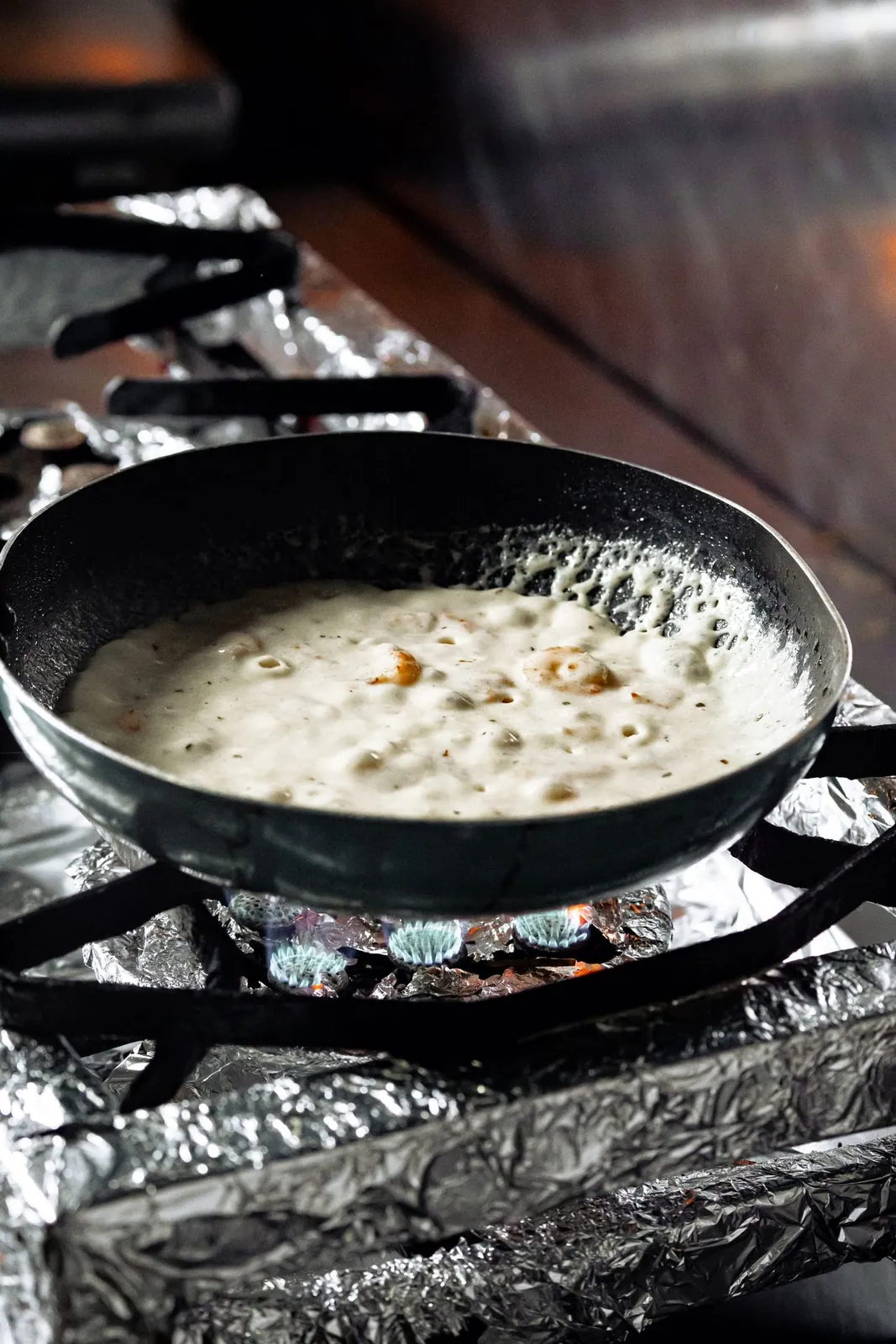
Begin adding the warm milk — pour in just a small amount at first and whisk vigorously until smooth.
- 5
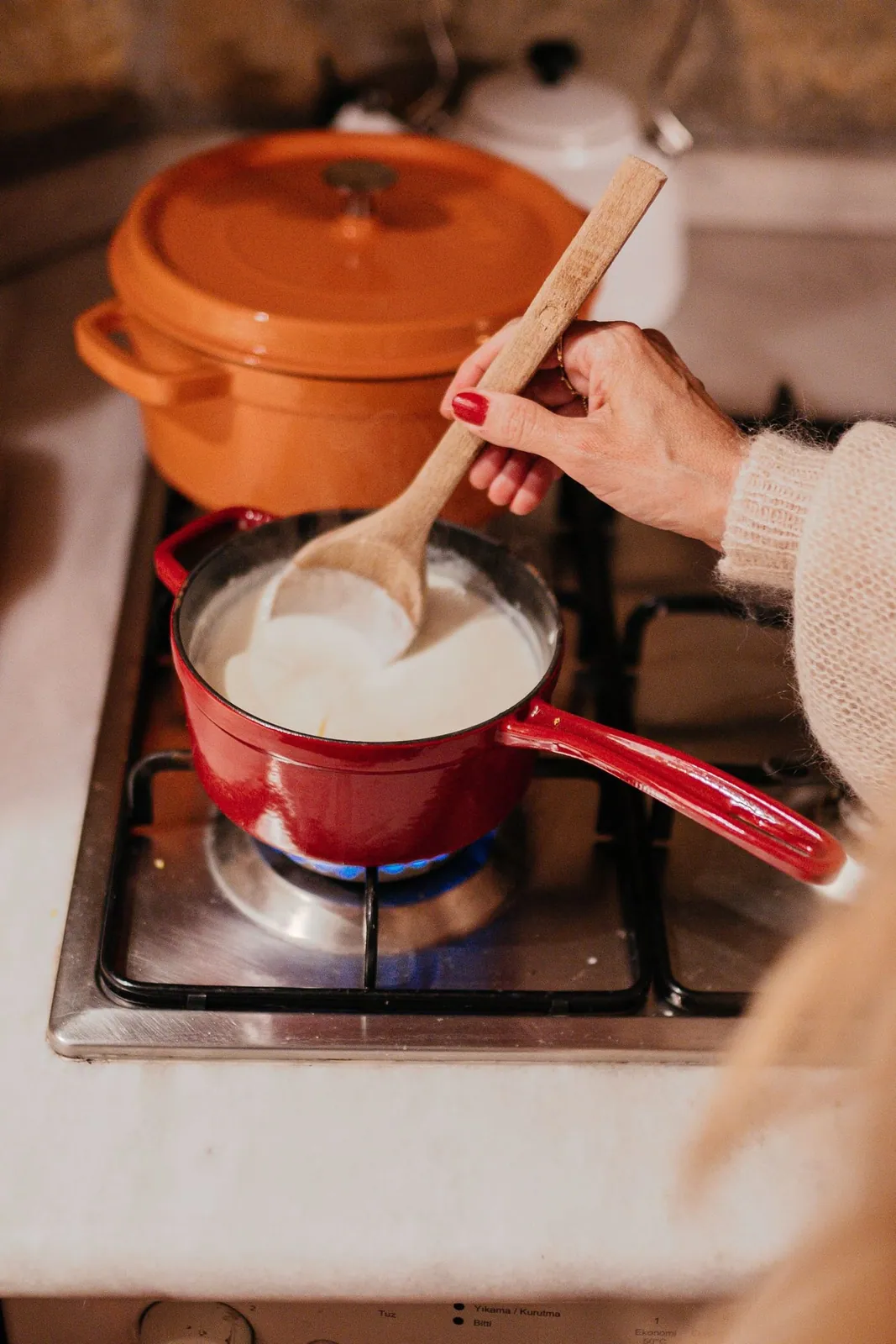
Continue adding the milk in a slow, steady stream, whisking constantly. The sauce will seem thick and lumpy at first — keep going, it smooths out.
- 6
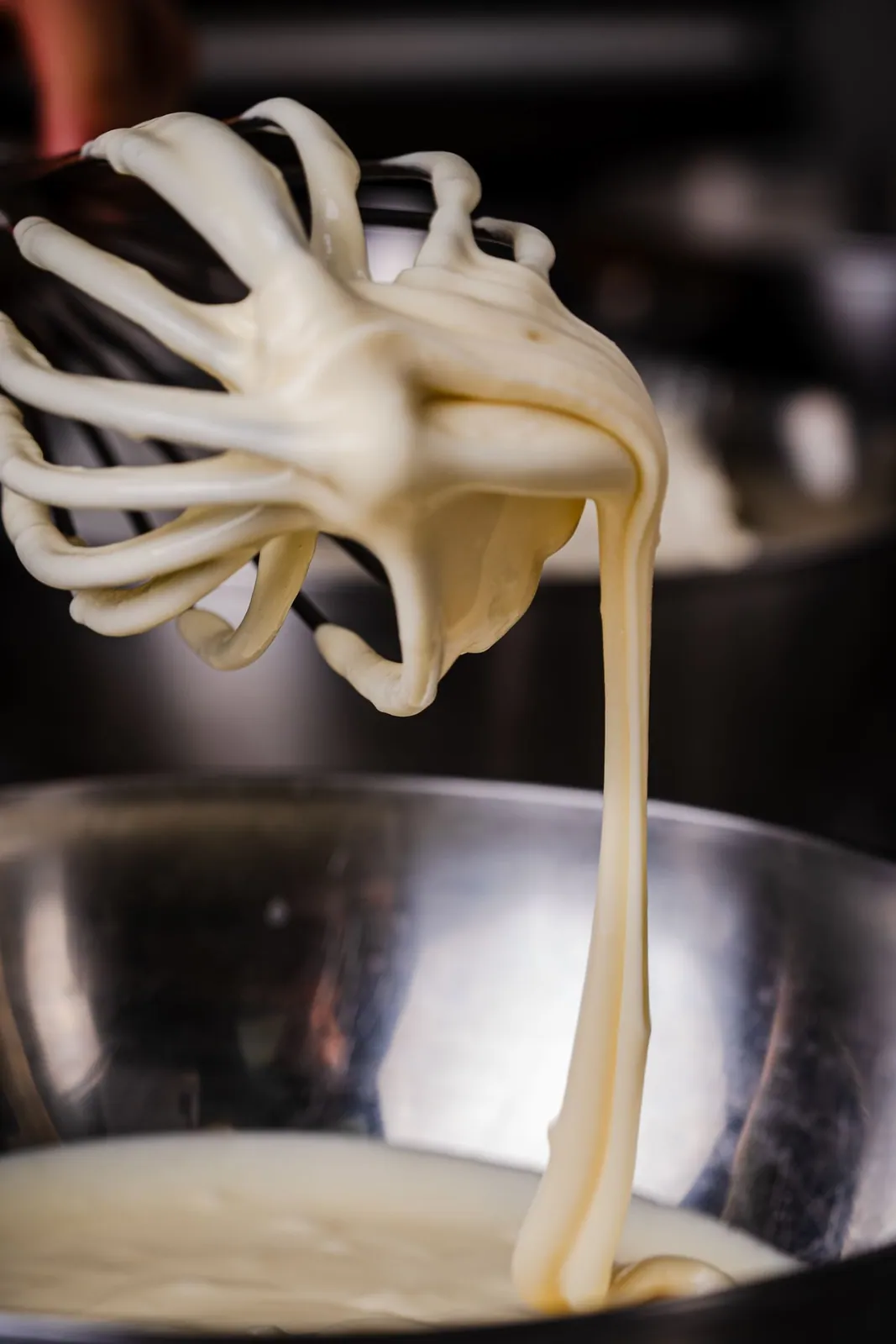
Once all the milk is added, cook over medium heat, stirring frequently, for 5–8 minutes until the sauce thickens enough to coat the back of a spoon.
- 7
Season with salt, pepper, and nutmeg. Remove the bay leaf if using.
- 8
Use immediately, or press a piece of plastic wrap directly against the surface of the sauce to prevent a skin from forming.
From the Kitchen
Small Things That Matter
Warm the milk before adding it — cold milk added to a hot roux causes lumps that are hard to whisk out
The roux needs to cook for at least a minute to eliminate the raw flour taste; this step cannot be skipped
If lumps form, do not panic — whisk vigorously or strain the sauce through a fine mesh sieve and continue
Press plastic wrap directly on the surface if not using right away — it prevents the dreaded skin from forming on top
Variations & Additions
Make It Yours
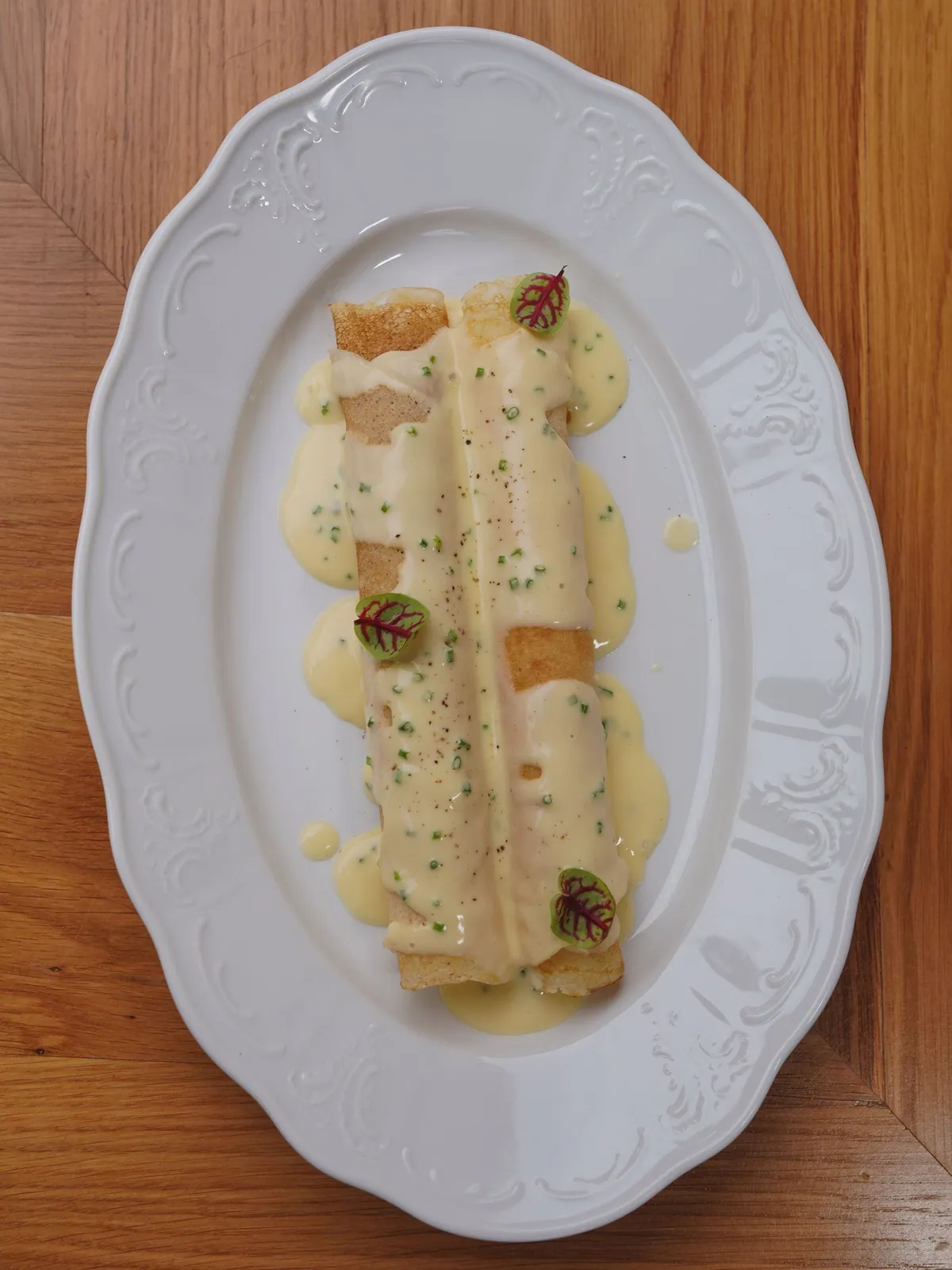
- Stir in 1 cup of shredded Gruyère or sharp cheddar for a Mornay sauce — the base for homemade mac and cheese
- Add a tablespoon of Dijon mustard and use as a sauce for chicken, fish, or vegetables
- Flavor with fresh herbs like thyme and bay leaf while cooking for an aromatic white sauce perfect for lasagna
- Use it as the base layer in a white pizza instead of red sauce for a rich, creamy foundation
Watch It
Watch It Being Made
Video courtesy of Laura in the Kitchen
This video may not follow our recipe exactly. Ingredients, amounts, or steps can differ a little. Use it as a guide to see the techniques in action, and follow the recipe on this page for the details. All videos

Cook with Someone
Cook Together
Share this recipe with a friend or family member, then FaceTime and cook it together in real time.