

Denver Omelette
One imperfect moment doesn't define everything we've accomplished.

Beyond the Ingredients
Why This Recipe Matters
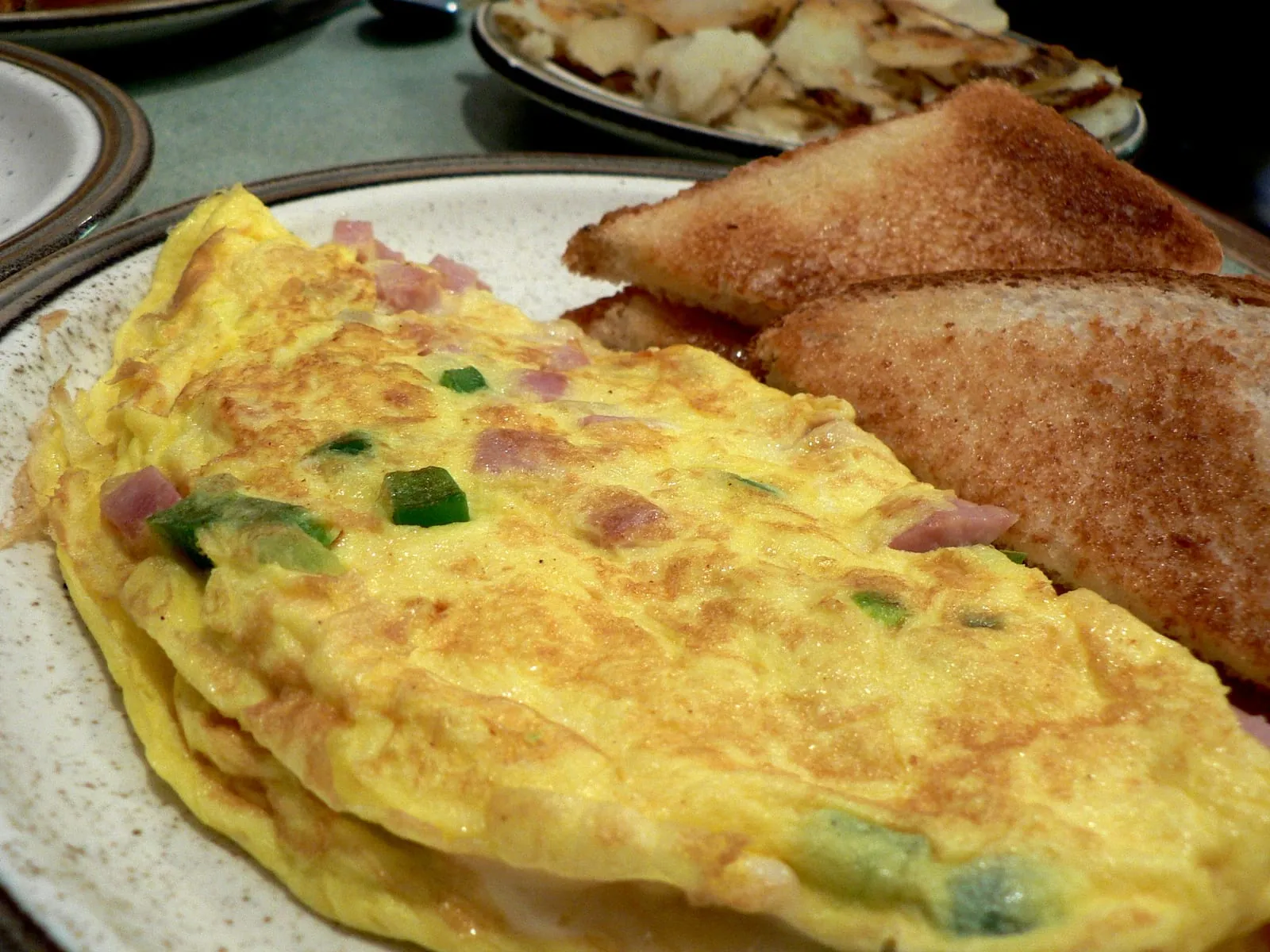
The Denver omelette is a breakfast classic made with eggs, ham, peppers, onions, and cheese. The ingredients are familiar, the preparation is straightforward, and the result is a satisfying meal. But there's one part that can make even an experienced cook hesitate: folding the omelette.
You can prepare everything correctly, cook the eggs just right, and carefully add the filling, only to have the omelette tear when you try to fold it. The cheese might spill out, the edges might not line up, or the finished dish might look nothing like the picture you had in mind.
But the omelette isn't ruined. Everything you did well still matters, even if one part didn't turn out as expected.
We have a tendency to judge ourselves by the moments when things go wrong. We can make dozens of good decisions, put genuine effort into something, and accomplish much of what we intended, yet allow one mistake to overshadow everything else.
A difficult conversation, a decision we regret, or an outcome that falls short of our expectations can leave us questioning our abilities and overlooking the progress we've made. We become so focused on what we wish we'd done differently that we lose sight of what we actually accomplished.
Making a mistake doesn't erase the effort that came before it. An imperfect outcome doesn't mean the entire experience was a failure. We can acknowledge what went wrong, learn from it, and still recognize the value of everything we did right.

The Takeaway
One mistake is part of our experience, not the definition of who we are or what we're capable of accomplishing.
What You Need
Ingredients
Serves 1 serving
How to Make It
Directions
- 1
Crack the eggs into a bowl, add the water or milk, salt, and pepper, and whisk vigorously until smooth and slightly foamy.
- 2
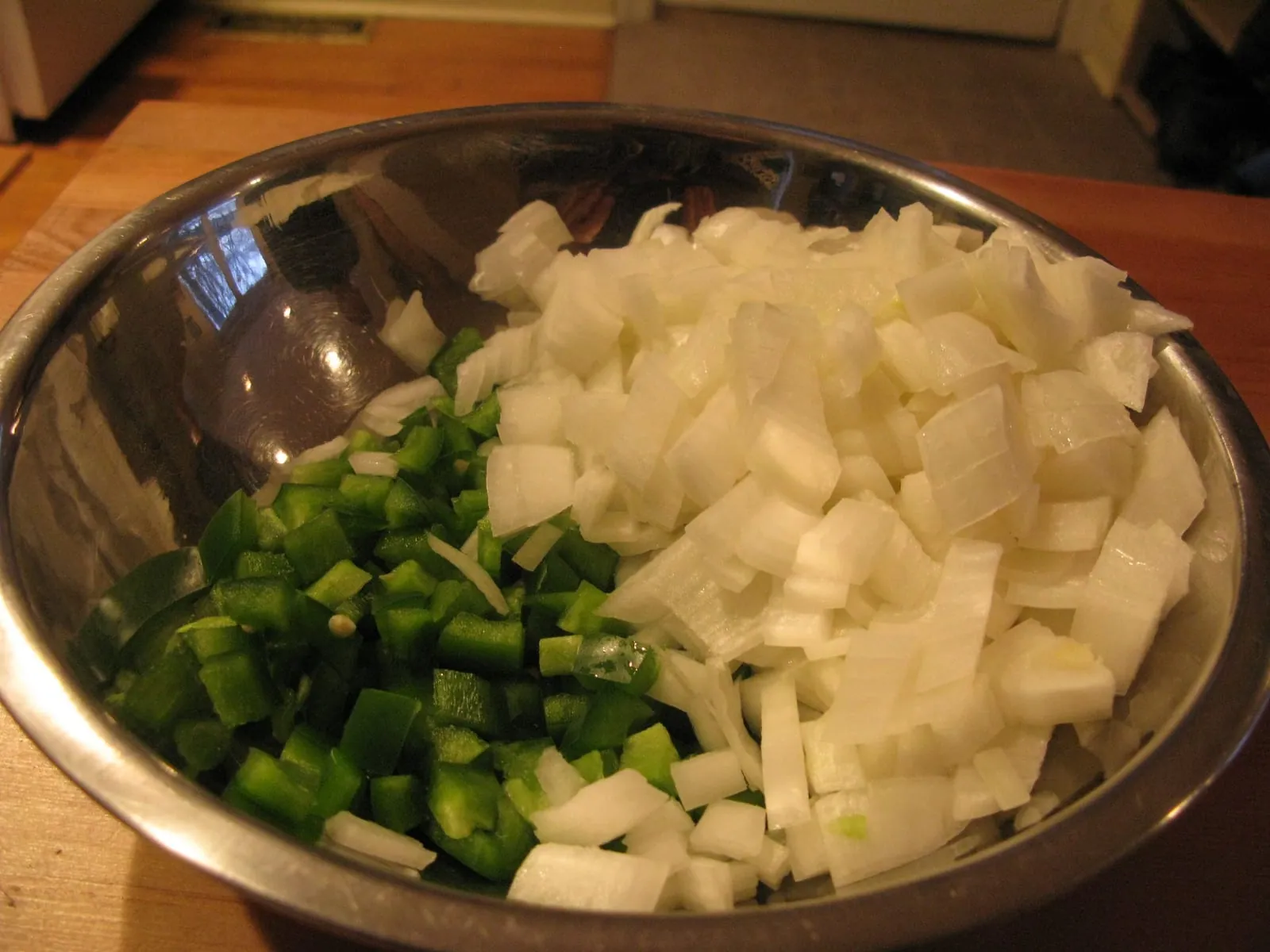
In a medium nonstick skillet over medium heat, cook the ham, bell pepper, and onion in a tiny bit of butter for about 3 minutes until softened. Remove from the pan and set aside.
- 3
In the same pan, reduce heat to medium-low and melt the remaining butter, swirling to coat.
- 4
Pour the eggs into the pan. Let them sit undisturbed for about 30 seconds as the edges begin to set.
- 5
Using a spatula, gently push the cooked edges toward the center while tilting the pan to let the runny egg flow out to the edges. Repeat around the whole pan.
- 6
When the eggs are mostly set but still slightly glossy on top, spread the ham and veggie filling across one half of the omelette.
- 7
Sprinkle the shredded cheddar on top of the filling.
- 8
Fold the empty half of the omelette over the filled half and slide it onto a plate. Serve hot.
From the Kitchen
Small Things That Matter
A nonstick pan is your best friend for omelettes — it makes the slide and fold much easier
Low and slow on the heat produces a tender omelette; high heat makes it rubbery and overcooked
The filling should be cooked before the eggs — adding cold raw vegetables directly will steam the omelette and make it watery
Don't overfill — a stuffed omelette is hard to fold and tends to break. Less is more.
Variations & Additions
Make It Yours
- Add diced jalapeño to the filling for a spicy kick that pairs perfectly with the cheddar
- Swap the ham for crispy cooked bacon or crumbled breakfast sausage
- Use Pepper Jack, Swiss, or Gruyère instead of cheddar for a different flavor profile
- Toss in a few halved cherry tomatoes or a handful of baby spinach for a fresh, veggie-forward version
- Add hashbrowns. Cook the hashbrowns first and then add to the omellete when you add the other ingredients.
Watch It
Watch It Being Made
Video courtesy of Food Wishes
This video may not follow our recipe exactly. Ingredients, amounts, or steps can differ a little. Use it as a guide to see the techniques in action, and follow the recipe on this page for the details. All videos

Cook with Someone
Cook Together
Share this recipe with a friend or family member, then FaceTime and cook it together in real time.